
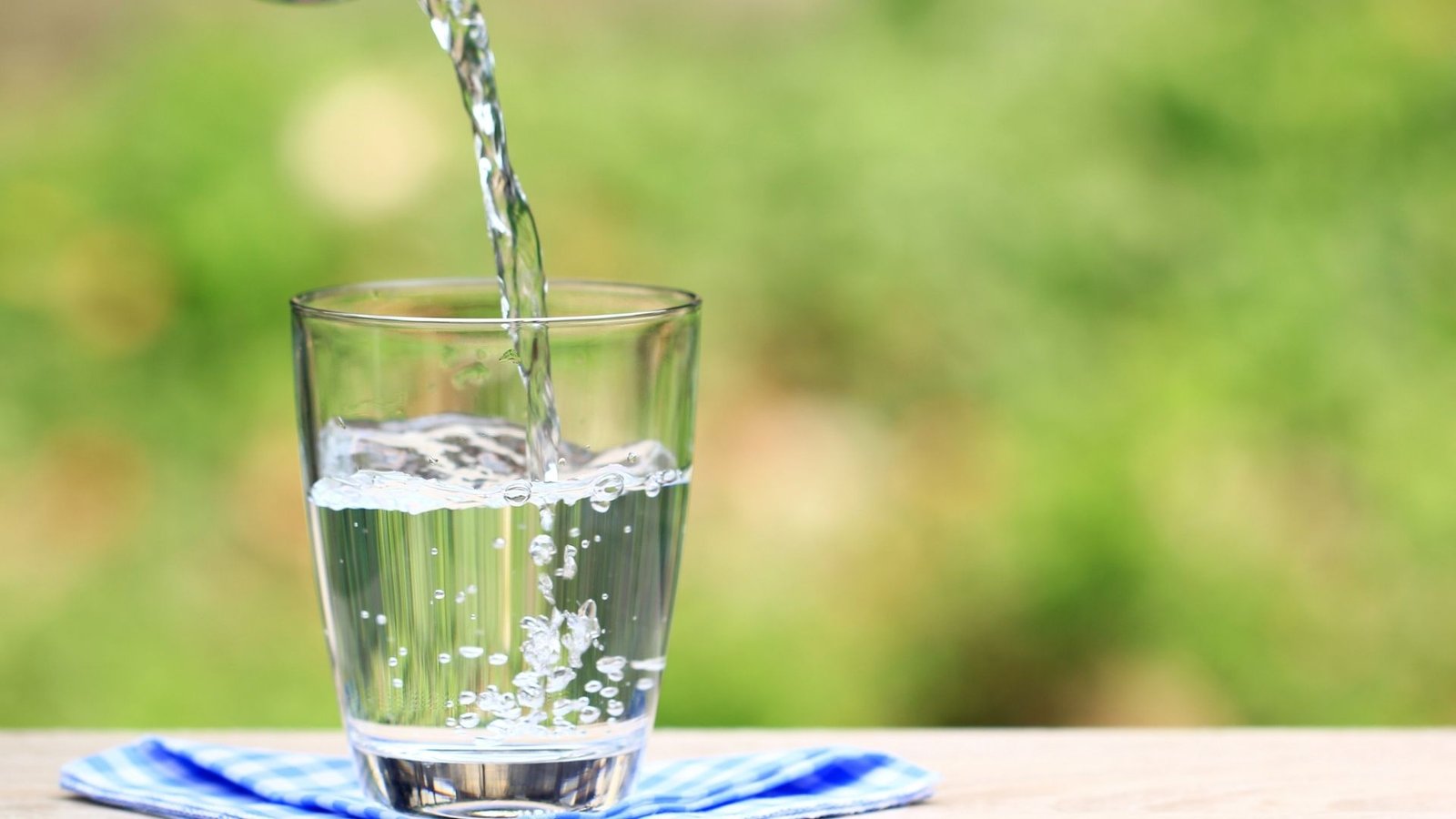
Private wells are a common water source for villas across Phuket, but what flows from the tap isn’t always crystal clear. Groundwater on the island is often affected by salinity from coastal aquifers, high hardness minerals, and organic or microbial contamination. Without proper filtration, this not only impacts your health it can also shorten the life of plumbing, appliances, and finishes.
As water scarcity becomes more pressing and groundwater quality increasingly unpredictable, integrating a robust filtration system into your villa design is no longer optional but more foundational.
Combining Reverse Osmosis and UV Water Treatment
The tropical climate of Phuket brings with it several water-related challenges. Seasonal downpours, saline intrusion, and poor well depth planning mean the water quality can swing from decent to dangerous within weeks.
A two-stage purification system is the most effective strategy:
- Reverse Osmosis (RO) filters remove salts, dissolved solids, heavy metals, and chemical contaminants. It’s ideal for areas with high mineral content or saline-affected aquifers.
- Ultraviolet (UV) sterilisation neutralises bacteria, viruses, and pathogens that might pass through sediment or carbon filters, especially common during the rainy season when runoff contaminates shallow wells.
Used together, these systems provide layered protection that is essential for peace of mind in a region where tap water is never guaranteed potable.
Architectural Integration: A System That Lasts Starts With Design
Water treatment shouldn’t be a clunky afterthought. In Phuket’s tropical climate, where equipment is exposed to 30–35°C heat and 70–90% humidity, the placement and integration of your system is just as important as the hardware itself.
Good design means:
- Positioning units in ventilated utility spaces, not crammed into steamy storage rooms. Excess heat reduces the lifespan of pumps and UV bulbs.
- Elevating filtration units in flood-prone areas or villas near sea level, where storm surges or monsoon flooding can compromise equipment.
- Pre-filtration stages that catch sand, rust, and organic debris before water reaches the RO and UV components—crucial for extending system life.
Easy access for filter changes and maintenance is key. A sleek utility cabinet isn’t much use if the system inside it overheats or leaks and you can’t reach it.
Maintenance and Sustainability in the Tropics
An integrated filtration system aligns perfectly with Phuket’s growing sustainability ethos. It reduces dependency on single-use plastic bottles which is especially important for families or villas hosting frequent guests.
With proper maintenance, a filtration setup can last 7–10 years, delivering safe, clean water daily.
Key maintenance tasks include:
- Replacing filters and UV bulbs on schedule (typically every 6–12 months)
- Checking for system leaks, particularly in humid zones where condensation can mask early warning signs
- Monitoring water pressure and flow, especially in areas with variable well depth or old pumps
Even under Phuket’s extreme humidity, a well-installed and ventilated system holds up with minimal fuss and repays the investment many times over.
Conclusion: Clean Water as a Design Priority
Clean, filtered water isn’t just a convenience but a design essential in Phuket. Whether you’re building a luxury family villa, a short-term rental property, or an off-grid escape, the combination of RO and UV water treatment ensures health, comfort, and peace of mind.
More than that, good architectural planning, from utility room design to pre-filtration and access, ensures the system functions smoothly year after year, even through Phuket’s harshest seasons.
Call to Action
Want to know more about building healthy, climate-smart villas in Phuket?
Contact us for tailored design advice or check out our extensive blogs on tropical design and materials. You can also get loads of great advice and expert information through our sister Youtube channel.